Garage Door Repairs in New Jersey for Misaligned Safety Sensors
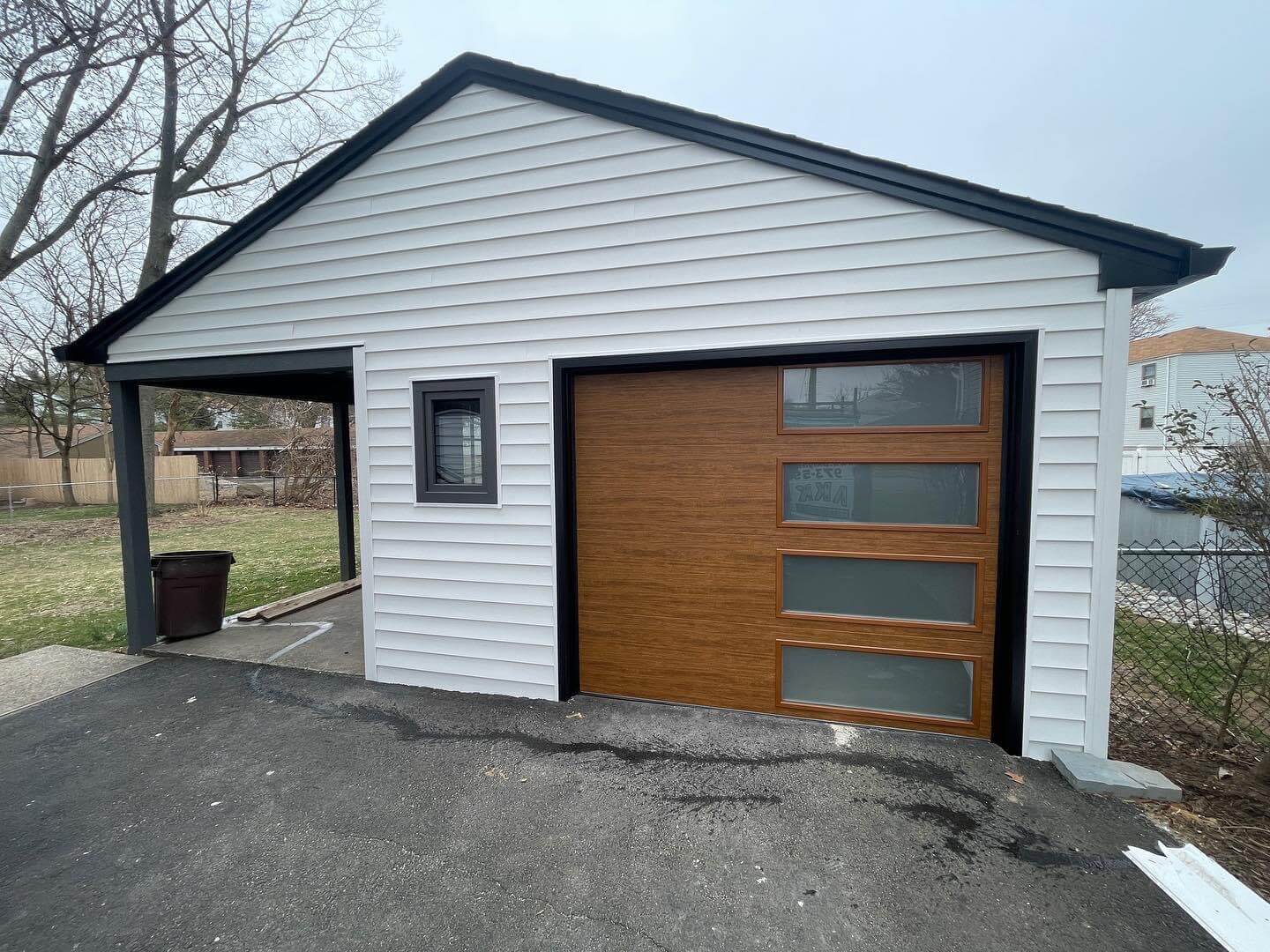
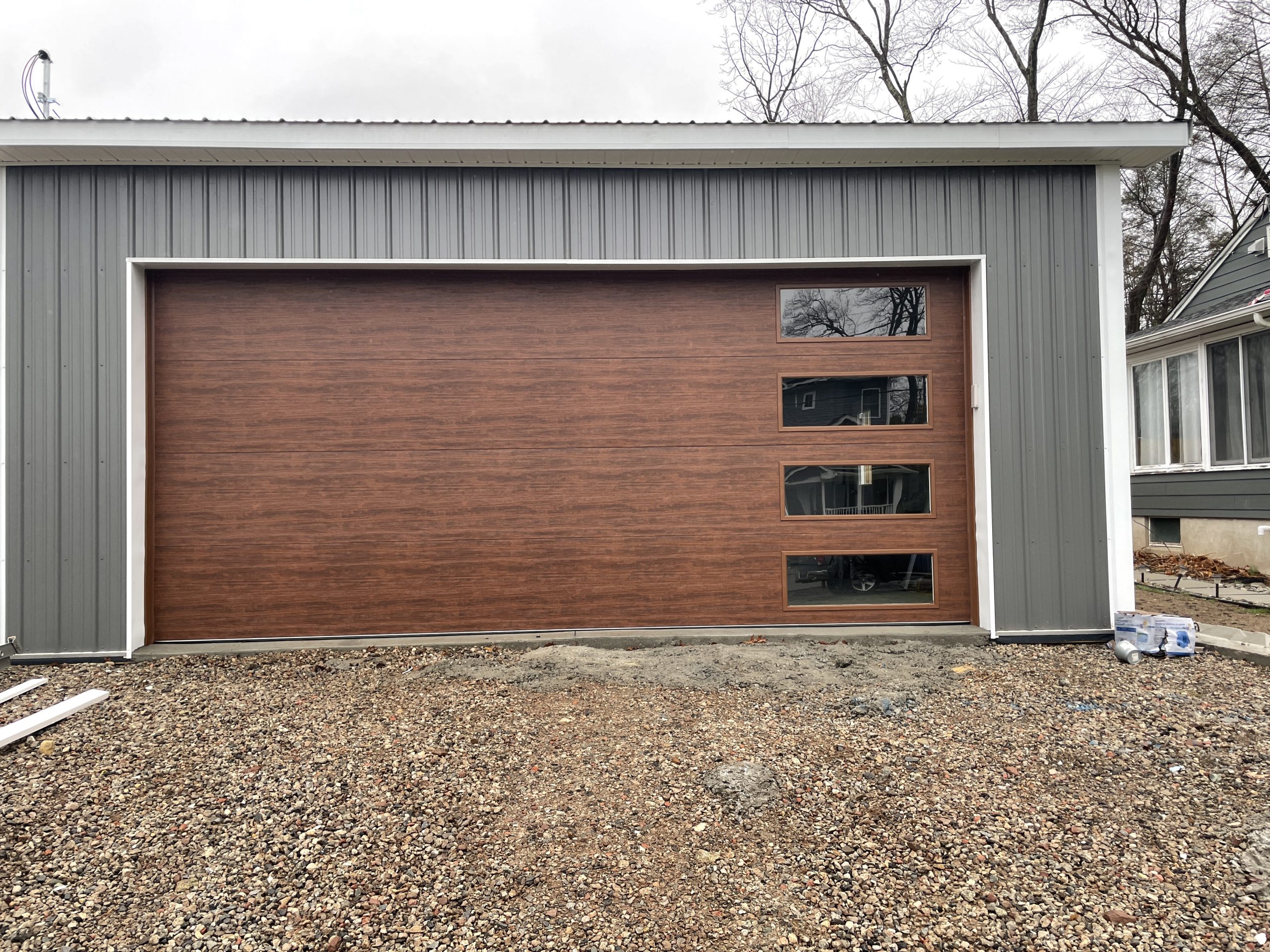

A garage door that refuses to close is frustrating on any day. In New Jersey, where weather shifts quickly and many households use the garage as a main entry point, it becomes more than an annoyance. It can leave your home exposed during a coastal rainstorm, trap your car when you are already late, or create a real safety risk for children and pets moving through the opening.
One of the most common causes is also one of the most misunderstood: misaligned safety sensors. Homeowners often assume the opener is failing, the remote needs batteries, or the door itself has gone off track. Sometimes those things are true. Just as often, the problem is lower, near the floor on both sides of the opening, where the photo-eye sensors sit facing one another. When those sensors lose alignment, even slightly, the opener may refuse to close the door or reverse it halfway down.
This is a familiar issue in Garage Door Repairs in New Jersey because local conditions encourage it. Freeze and thaw cycles can shift hardware. Salt, moisture, dust, and road grit collect near garage thresholds. A broom, trash bin, bicycle tire, or snow shovel can knock a sensor bracket out of position without anyone noticing. In attached garages, vibration from repeated use can slowly loosen mounting screws over time. What looks like an electrical failure may be a sensor that is simply no longer aimed correctly.
What the safety sensors actually do
Modern garage door openers use safety sensors to prevent the door from closing on a person, pet, vehicle, or object. Each side of the garage opening has a small unit mounted near the track, usually about four to six inches off the floor. One sends an invisible beam, the other receives it. If that beam is interrupted, the opener interprets it as an obstruction.
That basic design has prevented countless injuries. It is also why a door can open normally but refuse to close. The opener sees a problem in the safety circuit and chooses caution. If the beam is blocked or the sensors are not aligned well enough to communicate, the door may start down and then reverse, or it may only close if the wall button is held continuously.
That last symptom often confuses people. They think the wall control somehow “forces” the door shut. In reality, many openers are designed so the hold-to-close function overrides the sensor circuit temporarily, but only while the button is actively pressed. It is a clue, not a fix. If your door only closes that way, the sensors deserve immediate attention.
Why misalignment happens so often in New Jersey
In a dry, stable environment, sensor brackets can stay put for years. New Jersey garages do not always get that luxury. I have seen sensor issues develop after winter plowing pushes slush into a garage, after summer humidity causes corrosion on fasteners, and after spring cleanup when someone bumps the sensor with a rake handle and does not realize it.
Detached garages in older neighborhoods often have uneven floors, and those small shifts matter. In shore areas, salt air speeds up corrosion. In denser suburban properties, garages double as storage rooms, workshops, gym spaces, and side entrances. More use means more opportunities for accidental contact. It is not unusual to find a sensor bracket twisted just enough that the indicator light flickers when the door vibrates.
The problem also shows up after larger repairs. A technician may replace rollers, adjust tracks, or install new weather seal, and the sensor wiring or bracket gets touched in the process. Good technicians check sensor alignment before leaving, but wear and vibration can still create trouble a week or two later. That is why smart Garage Door Repairs include more than just the obvious part that failed. A proper visit looks at the whole closing system.
The warning signs are usually there
Most misaligned sensor problems are not mysterious once you know what to watch for. The opener is often trying to tell you the issue is in the safety circuit.
Here are the signs I see most often:
- The door opens normally but will not close with the remote or keypad.
- The door starts down, then reverses before touching the floor.
- One or both sensor indicator lights are off or flickering.
- The wall button closes the door only if you keep it pressed.
- The problem appears after cleaning, moving storage, or rough weather.
Those symptoms do not guarantee misalignment, but they point strongly in that direction. A blocked beam, damaged wire, loose bracket, or failing sensor can produce similar behavior. That is why diagnosis matters. Replacing parts too early wastes money, and forcing the door closed without understanding the cause can create a hazard.
The difference between a quick adjustment and a real repair
Homeowners often hear “sensor issue” and picture a thirty-second fix. Sometimes that is all it takes. You loosen the wing nut, nudge the sensor, tighten it, and the light goes solid. But that is only one version of the job.
A complete repair starts with finding out why the alignment was lost in the first place. If the bracket is bent, it may not hold position. If the track the bracket mounts to is vibrating because rollers are worn, the alignment may fail again within days. If the wire insulation has cracked from age or rodent damage, the light may come and go unpredictably. If moisture has gotten inside the sensor housing, no amount of aiming will solve it.
This is where experience matters. Good Garage Door Repairs in New Jersey often involve deciding whether to stabilize what is there, replace a small component, or recommend a broader adjustment to prevent repeat service calls. The least expensive fix on paper is not always the cheapest outcome over six months.
I have seen a homeowner spend on two separate sensor replacements when the real culprit was a shaky track bracket near the bottom roller. The sensors kept drifting because the support point itself moved every time the door cycled. Once the underlying movement was corrected, the original sensors worked fine.
What a technician should check before calling the job done
A proper sensor service is more than aiming two plastic housings at each other. If you are hiring for Garage Door Repairs, it helps to know what thorough work looks like.
A competent technician should inspect these points:
- Sensor alignment and indicator light stability
- Bracket condition, mounting tightness, and track vibration
- Wire condition from sensor to opener, including staples and splices
- Lens cleanliness and signs of moisture or impact damage
- Door reversal behavior during an actual closing test
That final test matters. A sensor can appear aligned while the door is still open and motionless, then lose signal once the opener runs and the system starts vibrating. A real repair is verified under operating conditions, not guessed at from a standing position.
Dirt, sunlight, and floor clutter complicate the diagnosis
Not every “misaligned” sensor is actually misaligned. The symptoms overlap with several simpler issues. New Jersey garages collect a lot near the floor: wet leaves, windblown dust, calcium residue, spider webs, mulch, and road grime. Even a dirty lens can weaken signal enough to cause intermittent failure.
Sunlight is another factor that gets overlooked. On some garage layouts, late afternoon sun hits one sensor directly at certain times of year. The homeowner reports that the door acts up only in the evening, which sounds odd until you watch the beam path. Sensor shields, slight repositioning, or updated components can solve that issue. It is not common everywhere, but it is real, especially on west-facing garages with clear approaches.
Then there is plain clutter. A trash can wheel, a bag of ice melt, a rake head, or a child’s ball can sit just low enough to cross the beam. Because the beam is invisible, people look at the middle of the opening and swear nothing is in the way. The problem is happening four inches above the floor.
These details matter because unnecessary replacement is common in this category. A clean diagnosis protects both safety and budget.
When the sensor issue is really a symptom of another problem
A garage door is a system. Sensors are part of it, not separate from it. Repeated sensor misalignment can point to deeper problems that deserve attention.
If the door is shaking on the way down, the tracks may be slightly out of plumb, the rollers may be worn, or the hinges may have too much play. If the opener is jerking the door because travel limits are off, the vibration can upset the sensor brackets. If a vehicle recently clipped the track near the opening, the lower section may look fine to the eye but still be deflecting enough to affect sensor aim.
This is one reason seasoned technicians avoid tunnel vision. It is easy to satisfy the immediate complaint by lining up the photo-eyes and leaving. It is better to ask why the alignment failed. In my experience, recurring callbacks usually come from skipped context, not from a lack of effort during the original visit.
One practical example: in a Bergen County garage, the homeowner kept losing sensor alignment every few weeks. The brackets were fine. The wiring was fine. The real issue was a cracked bottom fixture area on the track support that allowed small movement near floor level when the door closed. It was subtle, not dramatic. Once repaired, the sensor issue disappeared.
DIY adjustments, and where caution should begin
There is a narrow band of sensor problems many homeowners can address safely. If the lenses are dirty, gently wiping them with a soft cloth makes sense. If a storage bin is blocking the beam, moving it solves the issue. If a bracket was lightly nudged and the sensor has a clear visible alignment mark or indicator light, a minor adjustment may restore operation.
What homeowners should not do is start bending brackets aggressively, bypassing sensors, cutting wires, or changing opener settings blindly. The safety system exists for a reason. Defeating it is not a harmless workaround. Nor is guessing around spring components or track hardware that may be under load. Sensor work happens near parts that move with significant force.
Another common mistake is over-tightening small mounting hardware. People try to “make sure it never moves again” and end up cracking a plastic housing or twisting a bracket. The repair becomes bigger than it needed to be.
When the symptoms are intermittent, professional diagnosis is usually worth it. Intermittent faults consume time because they mimic success. The door works three times, then fails on the fourth cycle. That pattern often points to vibration, wiring weakness, or moisture intrusion, not just simple misalignment.
Why older garages need a little more judgment
A newly built garage with clean concrete, straight framing, and a modern opener is relatively predictable. Older New Jersey garages are not. They may have patched floors, narrow openings, added electrical outlets, improvised shelving, and decades of small changes layered one over another.
In those spaces, sensor placement can be awkward. One side may be mounted to original track hardware, the other to a replacement bracket from a different era. The wire path may have been spliced more than once. The floor may slope enough that standard mounting height on one side does not match the other in a useful way.
These are not reasons to ignore the issue. They are reasons to avoid one-size-fits-all advice. A repair approach that works on a newer tract-home garage may not hold up in a 1950s detached structure with settled concrete and replacement framing around the jamb. A technician with local experience usually recognizes these patterns faster.
That local knowledge is part of what people are paying for in Garage Door Repairs in New Jersey. Not just labor, but familiarity with the building stock, climate stress, and the way garages are actually used here.
What the repair may cost, and what affects the price
Sensor-related repairs usually fall on the lower end of garage door service costs, but there is a wide range depending on what is actually wrong. A simple alignment and cleaning visit is very different from replacing both sensors, tracing damaged wiring back to the opener, or correcting a track condition that keeps causing the problem.
If everything is accessible and the hardware is intact, the bill may reflect a standard service call plus minor adjustment. If replacement parts are needed, cost depends on opener brand, sensor compatibility, wire length, and whether the technician must update old components to make the system reliable. Some openers accept universal replacements well. Others perform best with brand-specific parts.
Homeowners should be cautious about pricing that sounds too low before anyone has inspected the door. Sensor problems https://www.google.com/maps?cid=2395115991469095220 are easy to oversimplify over the phone. A fair estimate comes from seeing whether the issue is dirt, alignment, wiring, mounting, vibration, or part failure. There is a big difference between a quick tune and a repair that has to hold through another New Jersey winter.
The role of maintenance in preventing repeat sensor trouble
Sensor issues do not always announce themselves as maintenance problems, but preventive care helps. When a garage door runs smoothly, the entire system experiences less shake and stress. Tight hardware stays tight longer. Brackets hold alignment better. Wires suffer less chafing. The opener does not have to fight the door on every cycle.
Routine service often includes checking roller wear, hinge condition, track stability, opener force settings, and bottom seal contact. Those are not sensor parts, but they influence sensor reliability. A door that slams the floor because travel limits are off can jolt the lower brackets repeatedly. A door with worn rollers can telegraph vibration all the way down the track.
A well-maintained system tends to produce fewer strange, intermittent complaints. That matters because intermittent garage door failures are the ones homeowners tolerate too long. If the door closes eventually, people keep using it until it leaves them stranded or stuck open during bad weather.
Choosing the right help when the door will not close
When you call for service, describe the behavior as specifically as you can. Saying “the garage door is broken” does not tell much. Saying “it opens normally, but reverses when closing and one sensor light is blinking” is more useful. Mention whether the issue began after weather, storage changes, impact, electrical work, or recent repairs. Those clues save time.
It also helps to ask how the company approaches diagnosis. Good providers of Garage Door Repairs will talk about testing alignment, wiring, and hardware, not just replacing parts by default. That distinction matters. The cheapest part is not always the failed part, and the visible symptom is not always the root cause.
For homeowners in New Jersey, response time matters too. A door stuck open before a storm or overnight is not a small inconvenience. It is a security and weather exposure problem. Companies that understand local urgency tend to treat sensor failures with the seriousness they deserve, even when the fix itself may be straightforward.
Small devices, big consequences
Safety sensors are easy to underestimate because they are small, low to the ground, and inexpensive compared with major door components. Yet they control whether the largest moving object in most homes can close safely. When they fall out of alignment, the garage door is doing what it was designed to do: stop, reverse, and protect.
That does not make the problem trivial. It means the system is asking for attention. Sometimes the answer is a simple adjustment. Sometimes the sensors are revealing a mounting issue, wiring fault, or door condition that needs real repair. The smart response is to treat the symptom seriously and diagnose it carefully.
For homeowners dealing with Garage Door Repairs in New Jersey, that practical mindset goes a long way. Local weather, varied housing stock, and heavy garage use create the perfect conditions for sensor trouble. The good news is that most of these issues are fixable without major disruption when they are caught early and handled correctly. A clear beam, steady brackets, sound wiring, and a smooth-running door are usually all it takes to turn a maddening daily problem back into a routine part of the house.
A.K.K. Garage Doors
Phone number: +19735907183
FAQ About Garage Door Repairs in New Jersey
What is the average cost of fixing a garage door?
The average cost of fixing a garage door ranges from $150 to $350 for most common repairs, with a typical service call fee of $50 to $75. Total expenses depend heavily on the specific broken part and labor rates, which generally run $75 to $150 per hour.
What is the most common garage door repair?
The most common garage door repair is replacing broken torsion or extension springs, which wear out after roughly 10,000 to 15,000 cycles (about 7 years) of opening and closing.
Can a handyman fix a garage door?
Yes, a handyman can fix minor garage door issues like sensor realignments, replacing rollers, or weather-stripping, but major repairs involving high-tension springs or cables are dangerous and best left to a specialized garage door technician.